Mt. Ryūgatake (Yamanashi) near Mt. Fuji
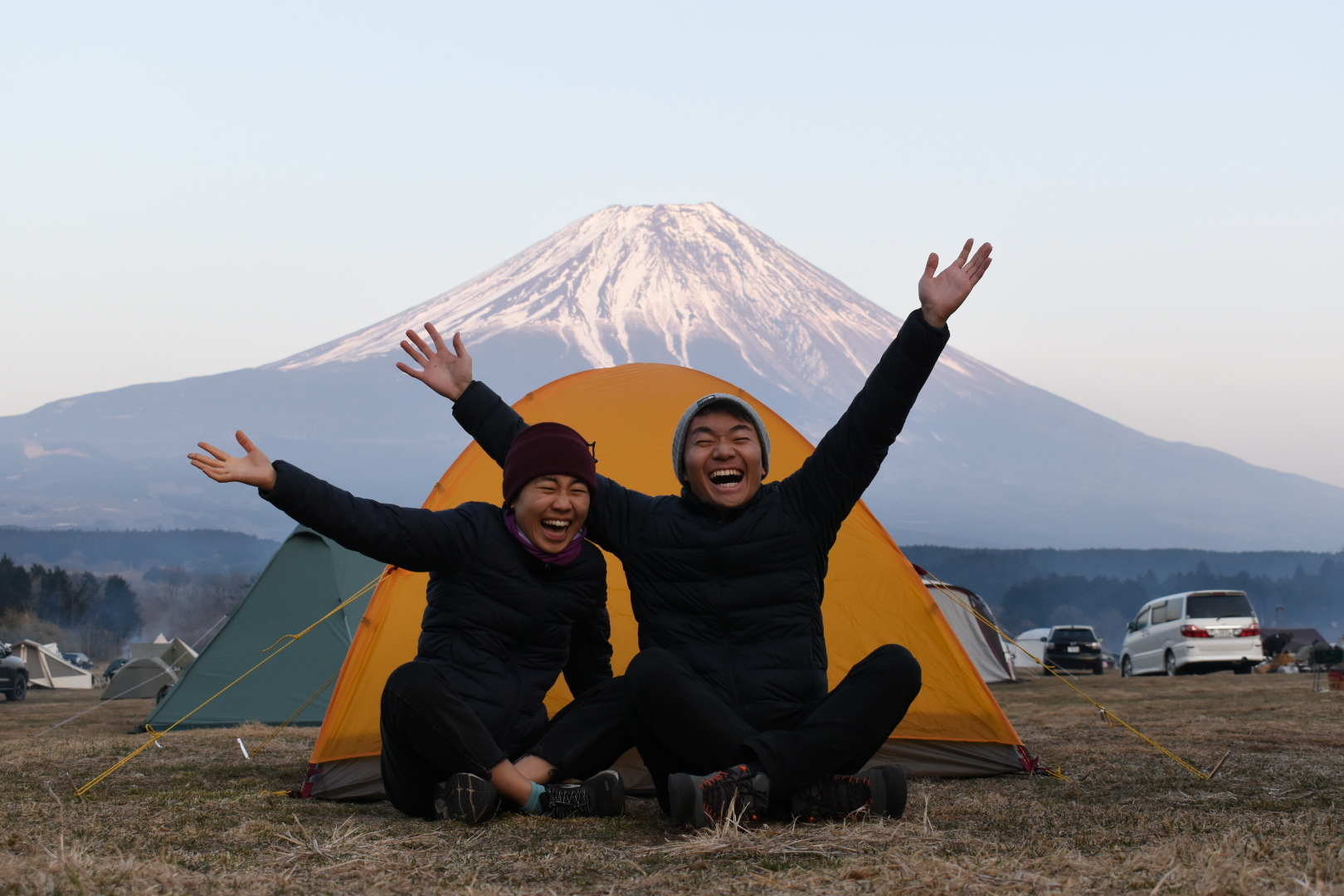
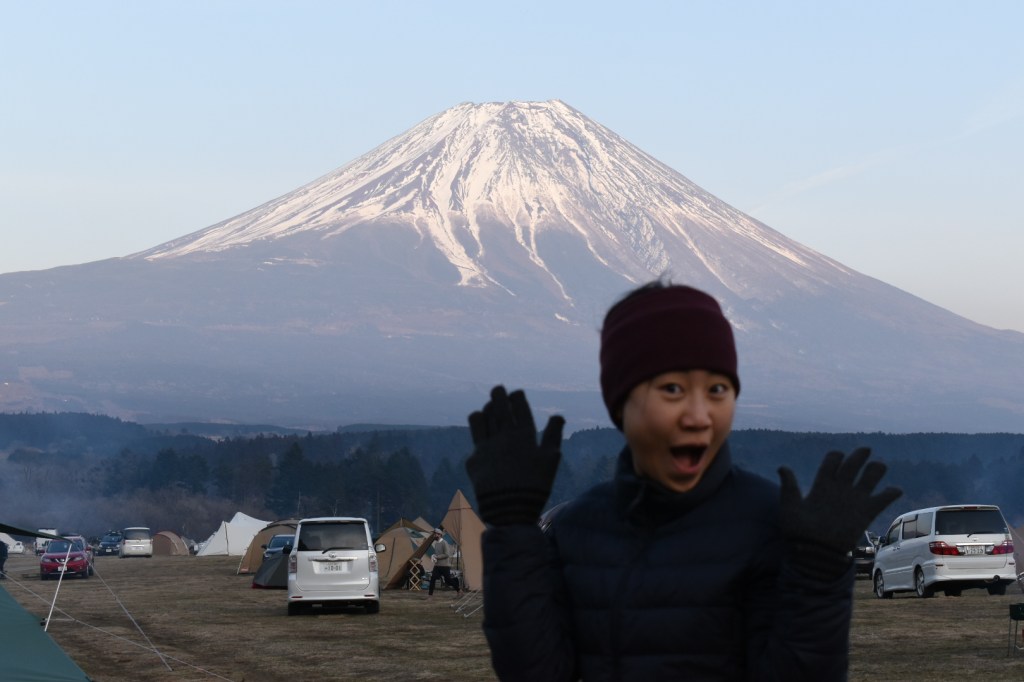
My first time back in Japan post pandemic 🎉 A brother-sister reunion over a camp & hike trip to the foot of Mt. Fuji. Good food, good weather, good vibes. If you’re looking for a comfortable quick weekend getaway from Tokyo with minimal gear in March, highly recommend 🤩
Photo Credit: All photos are taken by my brother @yo_tanitani13
Last week, I flew back to Tokyo from Berlin to see my family for the first time in more than 2 years. It’s been difficult to plan this trip because of the strict regulations and long quarantine requirements. I’d met my parents back in November in London but I hand’t seen my brother in 2 years and a half.
So we decided to take an overnight trip to the mountains to celebrate our reunion. Destination? What better way to celebrate than the most iconic mountain in Japan - Mt. Fuji!
Itinerary #
We came up with this plan on Saturday morning at 11:00am but it turned out pretty alright.
Saturday
- 14:00 Rented a car in Tachikawa, Tokyo
- 15:00 Went shopping in nearby supermarket to get some food
- 17:00 Arrived at Fumotoppara Campground (Not allowed to move vehicle after 5pm). Requires booking made up till the day before. Put up our tents, drank some beer, caught up, cooked Nabe (Japanese hot pot).
- 23:00 Sleep
Sunday
- 5:00 Woke up ☀️
- 6:30 Left campground, grabbed breakfast at a nearby convenient store
- 7:00 Arrived at the parking-lot next to Lake Motosu, packed our bags and began our hike.
- 9:00 Reached the top of Mt. Ryugatake
- 11:00 Back at the car, trying out my brother’s new drone by the lake and chatting with an old man.
- 12:00 Went to a hot spring nearby called Yurari Onsen
- 13:30 We ate Hōtō at a restaurant Hoto Fudou, a regional dish in Yamanashi (1100 yen/10 USD for a huge portion, gave me food comma)
- 17:00 Back in Tachikawa, Tokyo (recommend leaving early to avoid traffic)
Notable Gear/Preparation
- Car (rented)
- Camping equipment (although you can always sleep in the car if you don’t have a tent but remember to bring good sleeping bag)
- Hiking shoes/trail shoes + light-weight ice crampons (there were some icy surfaces and snow left near the top)
- Yamap - hiking app with downloadable topos. You can also search for recently uploaded pictures to check the states of the hike routes (esp. for snow etc)
Cost (Total: roughly 10000-yen/100USD per person)
- Car (we used Timescar which cost us 8800-yen or 74USD - gas included for an overnight trip)
+ Highway (2000-yen/20USD) ? - Food (2500-yen/25USD per people)
- Camp fee (2000-yen/20USD per person)
- Hot spring (1000-yen/10USD per person)
Blog #
So this is the part where I rant on about things that happened in my trip, how I felt during and what went down. If you’re just looking for more info on what to expect in specific parts of the itinerary, feel free to skip from the links below:
- Buying food for camping
- The Campground
- The hike (4-5h)
- Hot Spring
- Eating Hōtō - a regional dish from Yamanashi
Alright, here I go!
Supermarkets are super #
I LOVE JAPANESE SUPERMARKETS. This is not an over-statement and you’ll see what I mean if you visit one. People say Japan is expensive but it definitely isn’t especially when it comes to food. The amount of plastic packaging does bother me though. But the sheer number of meal-deal and pre-cooked options that are actually HEALTHY is incredible.
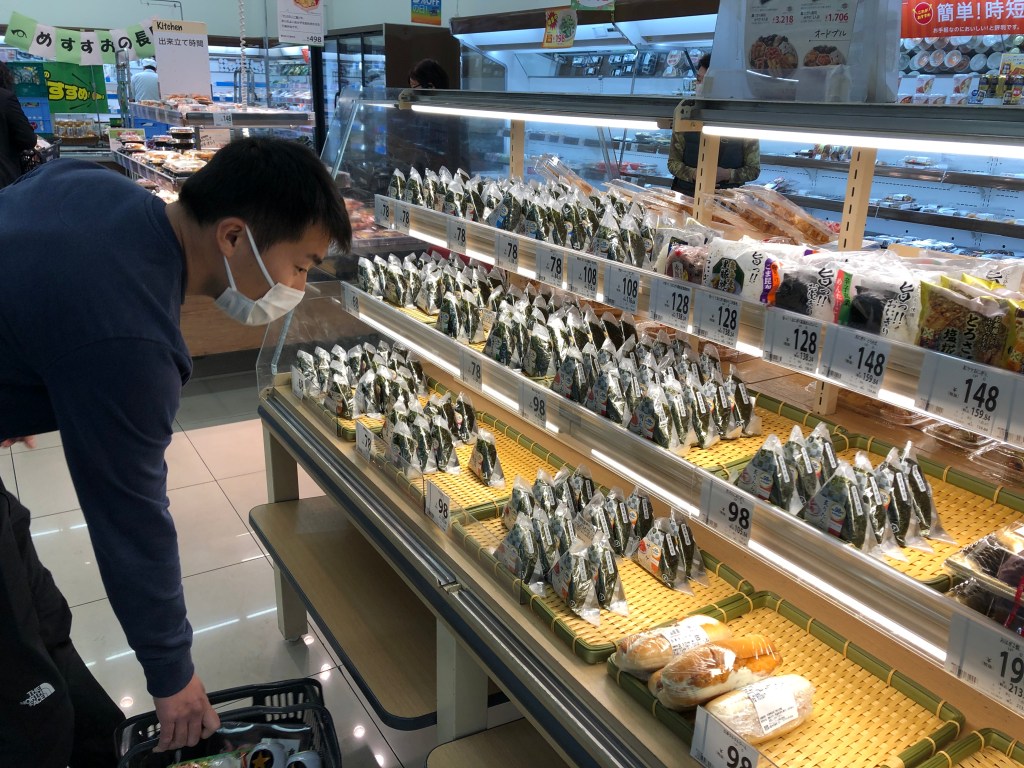
And TOFU only costs 37-yen (0.4USD)!!! Coming from Europe where mediocre tasting Tofu costs 2 euros a pack, I was crying in joy while getting a lot of strange stares. Food really reminds me that I’m a Japanese at heart and this is where I grew up.
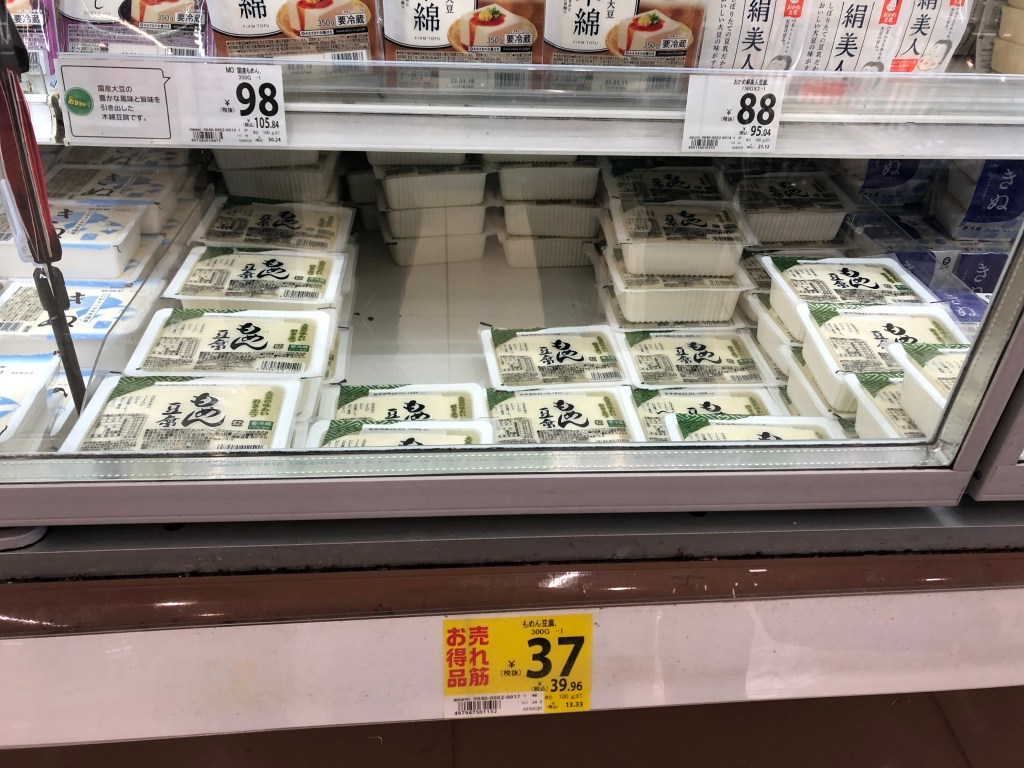
Tofu for 37 yen = 0.37 USD
We bought some veggies, some thinly sliced pork meat, Nabe-hot-pot bouillon, some onigiri rice-balls , eggs and two cans of beer. My brother recommends Cup-curry-rice which is a rice version of instant cup-noodles (they’re freeze-dried and in a cup!) and instant miso-soup which comes in tiny packets that are easily portable. A true paradise for finding portable foods for hikes and outdoor activities. Maybe I’ll do a tour of hike-friendly foods you can buy in Japanese supermarkets on another blogpost.
Fumotoppara Campground #
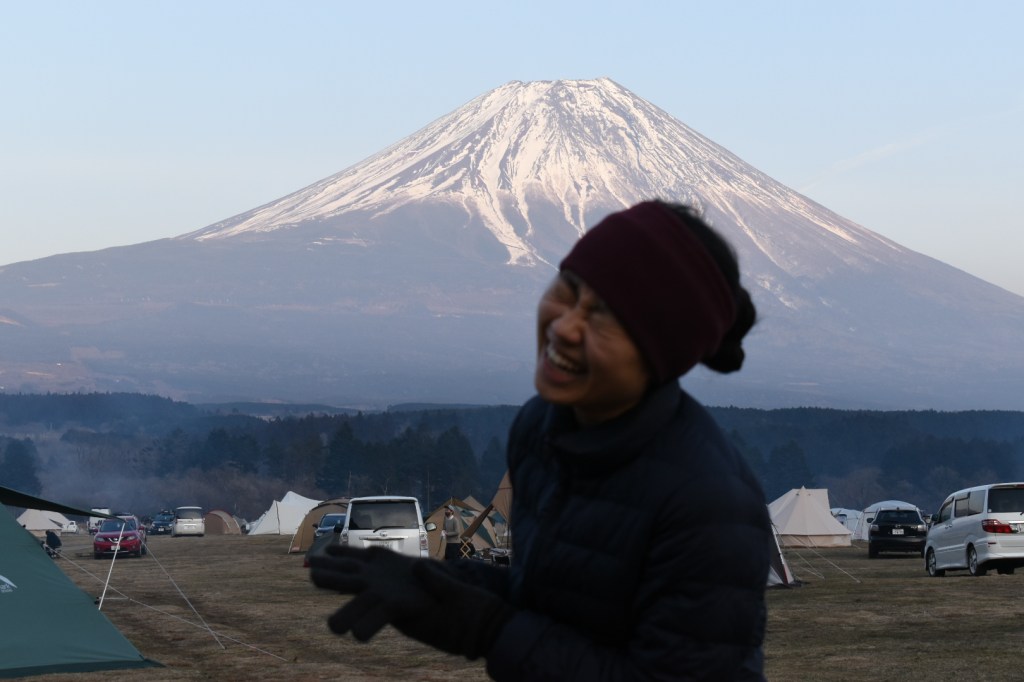
Address: 156 Fumoto, Fujinomiya, Shizuoka 418-0109
Contact: +81(0)544-52-2112
Booking
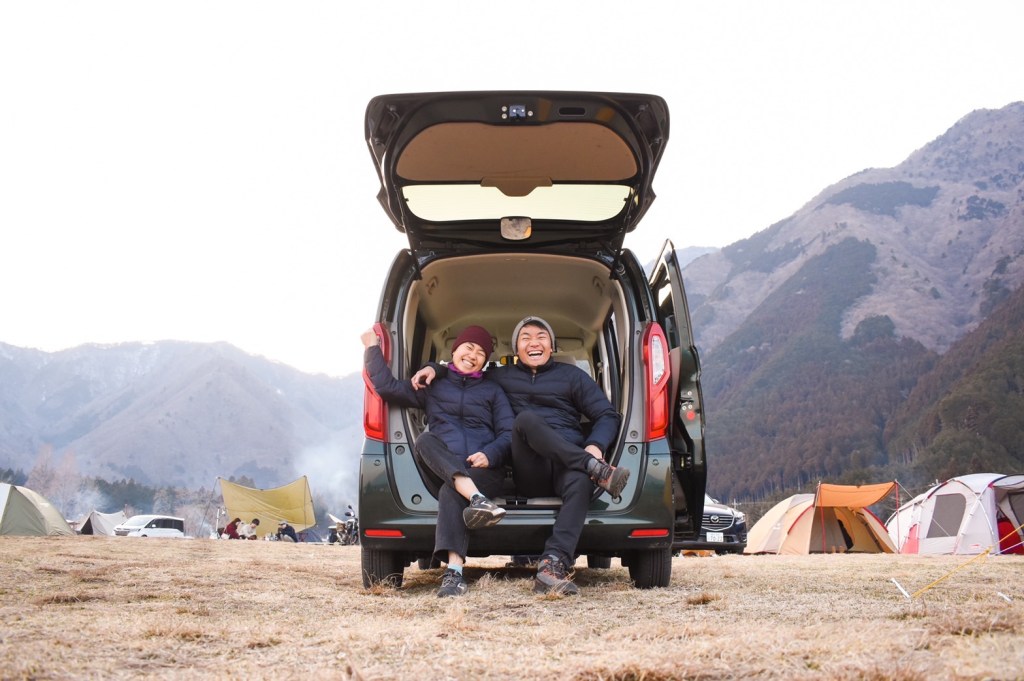
Most places require booking these days including the one we stayed at due to COVID restrictions. Futoppara Campground requires you to book up till the day before arrival at the latest but since this was a spontaneous trip, we didn’t have a booking when we arrived. We quickly made a call and they were nice enough to accept us. We slid in 5 minutes before 17:00 (after 5pm no vehicles are allowed to move inside the campground) and parked the car amongst the many who came for the same reasons: Camp out, watch the stars and admire this huge mountain called Mt. Fuji.
The campground is one of the best I’ve stayed at. There’s a little shop where you can buy the necessities, a vending machine to buy instant noodles, a very clean bathroom with toilets equipped with 24-7 HEATED SEATS and even a little restaurant that serves Udon-noodles, Oden and other traditional Japanese comfort food that nobody talks about outside of Japan.
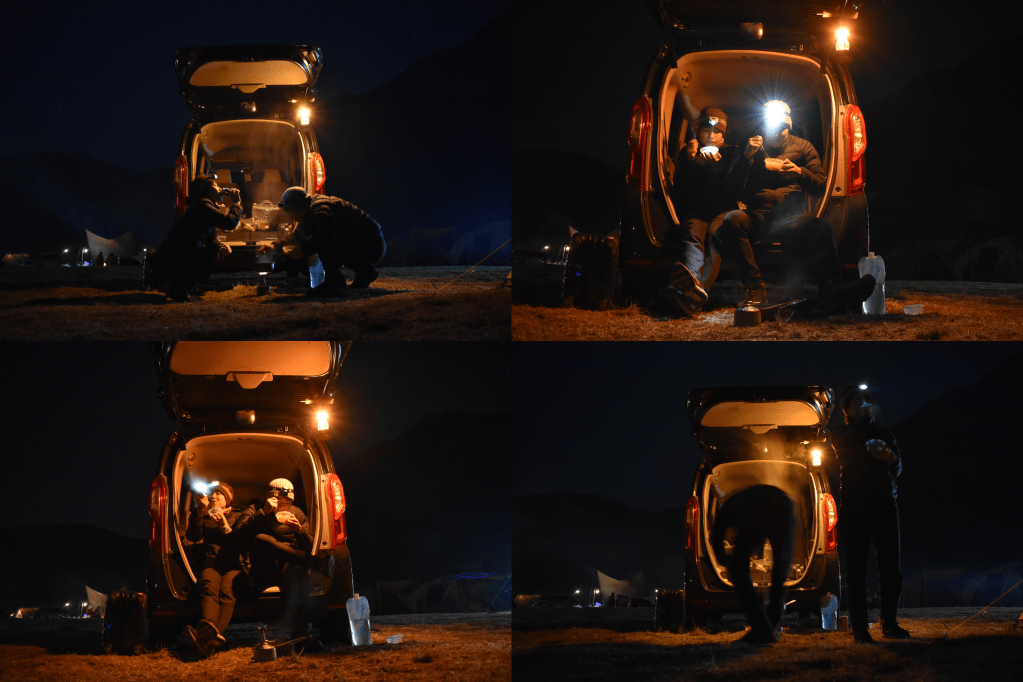
There is a convenient store (Family mart to be more specific) nearby but it might be best to stock up with food at a supermarket on your way to the campground.
A lot of people had a big tarp and a stove with fire (you can buy some wood at the campground), even some fairy-lights to make things sparkly and cozy. I think they do offer rentals but by the time we arrived, they were all closed.
Just make sure to bring some warm clothes because it was quite cold in the evening (this is mid-March).
Hiking up Mt. Ryūgatake (Yamanashi) #
Date: 13th March 2022 (beginning of Spring!)
Elevation: 600m
Distance: 6km
Duration: 4-5 hours
Difficulty: Easy
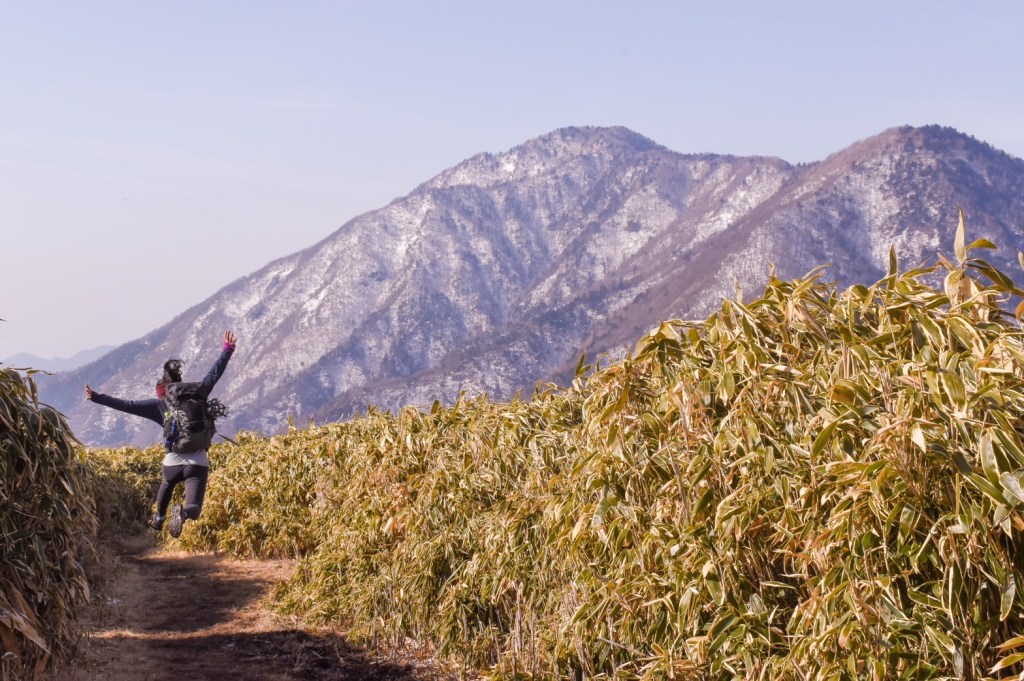
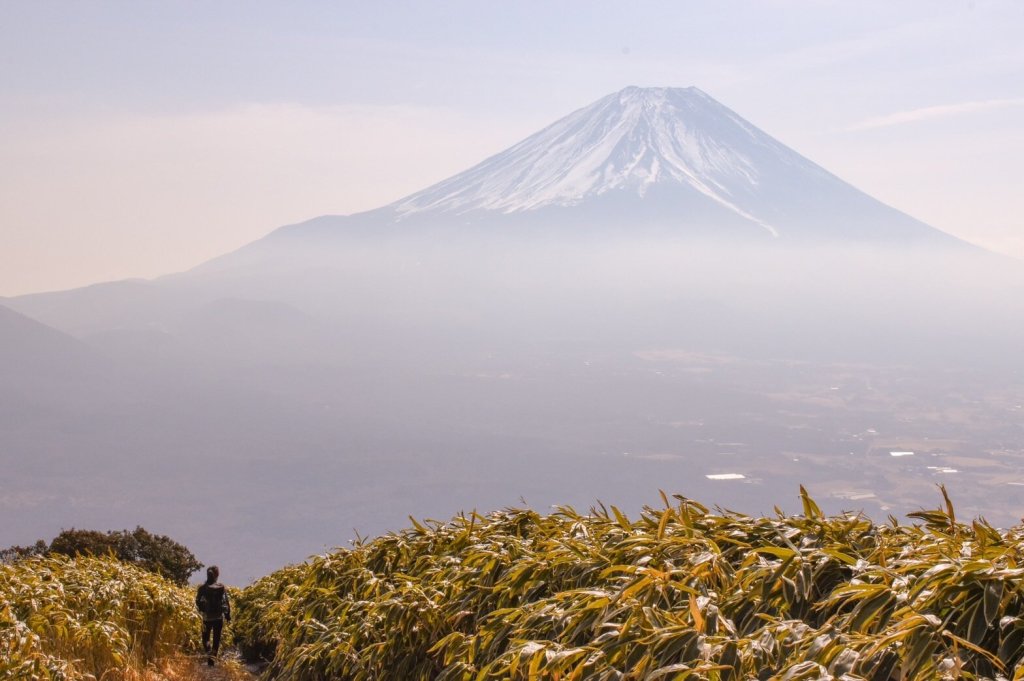
A very easy hike but amazing view of Mt. Fuji on one side and the Japanese alps on the other side. There are a few peaks named Mt. Ryugatake so if you’re searching online, make sure you pick the one in Yamanashi. There’s a campground at the base next to the lake but only opens towards the end of March. The route was a little icy on the northern side towards the top and very muddy on the southern side due to the ice melting but a well-marked easy route perfect for all fitness levels. Best to bring shoes with good grip (I went with my Salomon trail runners) and if you’re taking a route from the northern side, bring some light crampons for better grip.
How did we decide on the mountain/route? We initially googled ‘day hikes around Mt.Fuji’ and then looked at recently taken instagram pictures for these locations to see the states of the routes. Then we also looked at Yamap (hiking app) and decided the night before. It’s around 30 minutes from the campground with the car and might have even be nice to go for a sunrise hike.
Hot Spring #
Going to a hot spring was definitely on top of my to-do list for this trip and I finally made it happen! I do like the saunas in Germany but there’s nothing like a good old hot spring in Japan. There are so many to choose from around this area but we went to one called Yurari Onsen which was conveniently located on our way back to Tokyo. There are two floors and a beautiful outside bath with the view of Mt. Fuji (although you might have to stand up to actually see it). Nothing beats a Roten-buro (outside bath) on a sunny day in winter/early-spring.
For those of you who are not familiar with how hot spring (onsen) works. Here’s a Onsen-101 for you:
- You go in completely naked. There’s usually a locker where you can put your things inside and you can wear the key around like a bracelet when you’re in the bath.
- Usually, they will give you towels at the reception but if not, you can either buy them cheap or rent a set. You will get one small towel to take it inside with you in the bath and a bigger one for drying.
- Once inside, you’d want to wash yourself first before going in the bath. If you have long hair, make sure to tie them up. You can either wrap your head with your little towel or fold the towel above your head but never put the towel inside the bath.
- Sometimes there are cold baths. Alternate cold and hot to cool down/warm up. Apparently it’s good for you.
- Dry yourself with your little towel before coming out of the bath.
- Return towels or take the towels back home as souvenirs!
My tradition was always to drink a glass of ice cold コーヒー牛乳(Coffee Milk) which tastes like a sweetened milk coffee after a long bath. Then I like to roll around in the Tatami floors for a little nap but we didn’t have too much time this time around.
Eating Hōtō #
When people outside of Japan think of “Japan + noodles”, they always say “Ramen!”
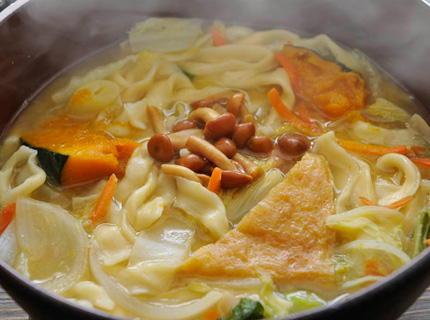
But hey, there’s more. Hōtō is a type of noodle soup with flat chewy udon noodles (kind of like Gnocchi or Spätzle but longer, whiter, chewier and flatter) with vegetables in a thick miso soup. I love ones with lots of pumpkins inside. They’re one of my favourite comfort foods. We originally wanted to go to a place called Kosaku because of its popularity but was too full so we went to one next door called Hoto Fudou which for me was amazing!
They only had one type of Hōtō which made the ordering super easy. They come in big big clay(?)-pots and since I was too hungry, I forgot to take a picture. Here’s an image from their website:
Final thoughts #
This turned out a lot longer than I intended. I really need to learn to write more concisely 😂 Anyway, if you have any questions, feel free to reach out to me or comment (any feedback is always appreciated!). This was such a fun trip and the 24h with my brother was enough to make this rather expensive trip to Japan worth it!
Photo credits: @yo_tanitani13