Cycling from Toulouse to Girona
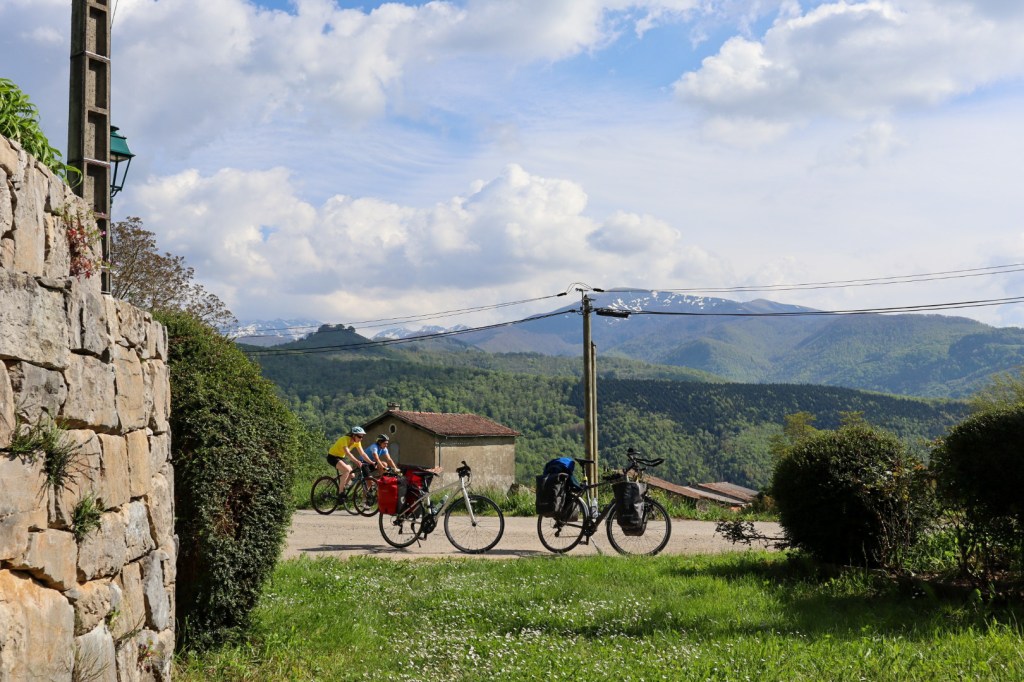
I recently went on a week-long bike trip with M in the French Pyrenees and along the coast of the northern Costa Brava region in Catalonia. Over 300km of cycling, more than 3000m in ascent, and 7 nights of camping. Rivers, castles, small cute towns, ocean breezes, high skies, and lots of sunshine - a very rare screen-free week of late.
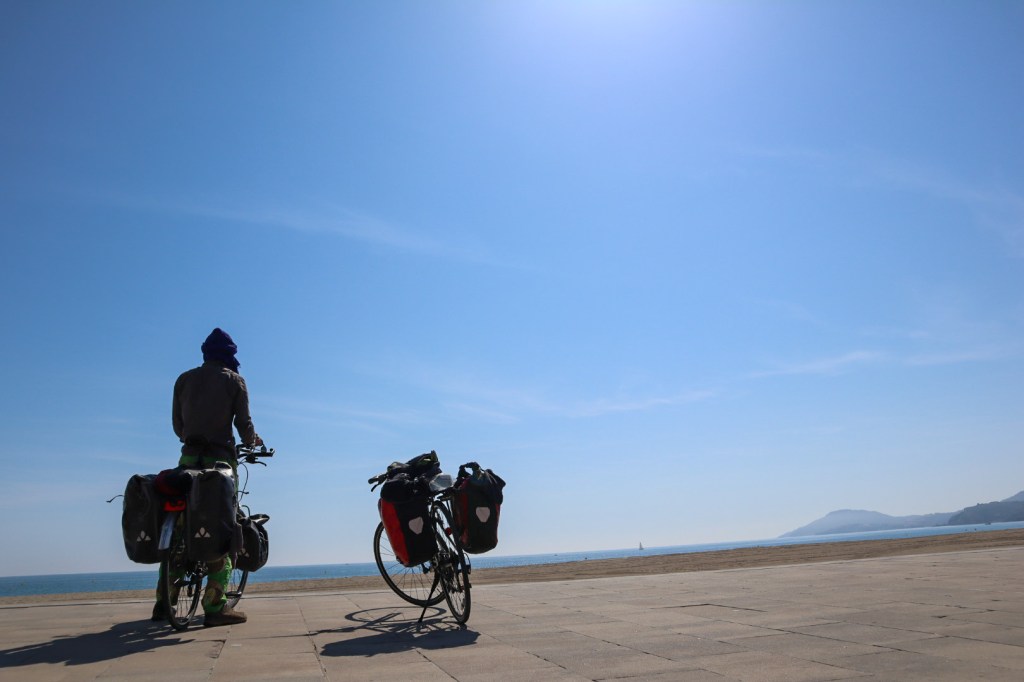
Here’s a little post as a small souvenir to my future self and notes on all things I could’ve prepared better.
The Route #
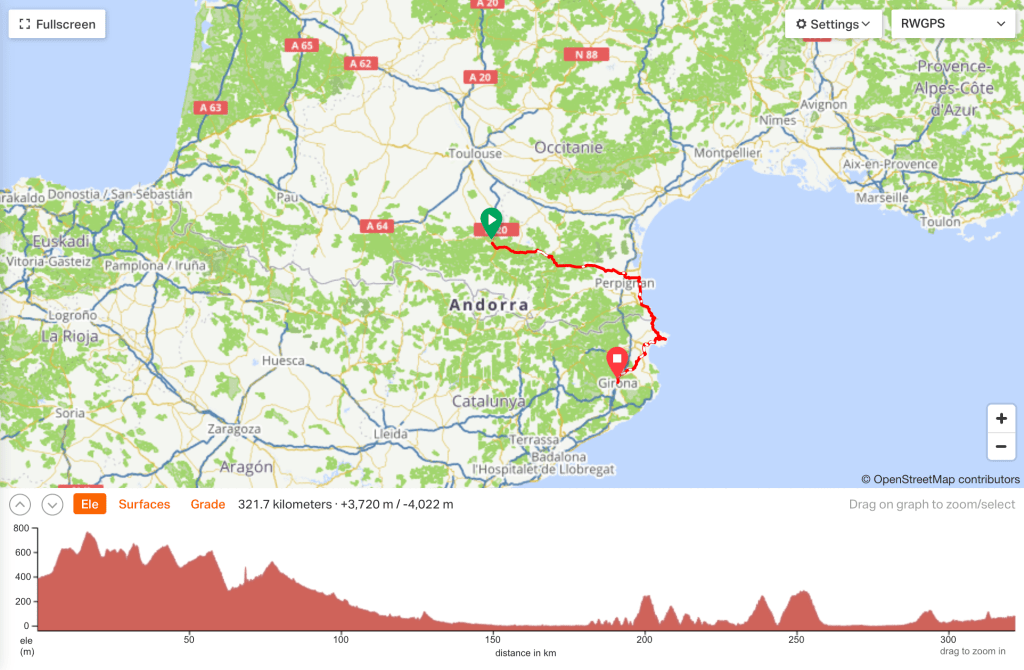
Ok, so we didn’t exactly start in Toulouse but from a town named Foix 90km south of Toulouse. We took the train from Toulouse Matabiau to Foix (13EUR, 1h15) on a Saturday afternoon after doing some shopping and last-minute bike maintenance in the city. It’s been quite a journey to bring all my bike-packing gear all the way from Tokyo via Berlin to Toulouse (a story for another day).
The regional trains in France (TER) allow you to bring your bike onboard without an extra fee and there’s usually enough space. More on that here.
What I wish I had packed #
I had two back panniers which were enough to fit my things and I used most of the things I brought with me. But there are a few things I wish I had packed/not packed on my trip.
Things I wish I had packed
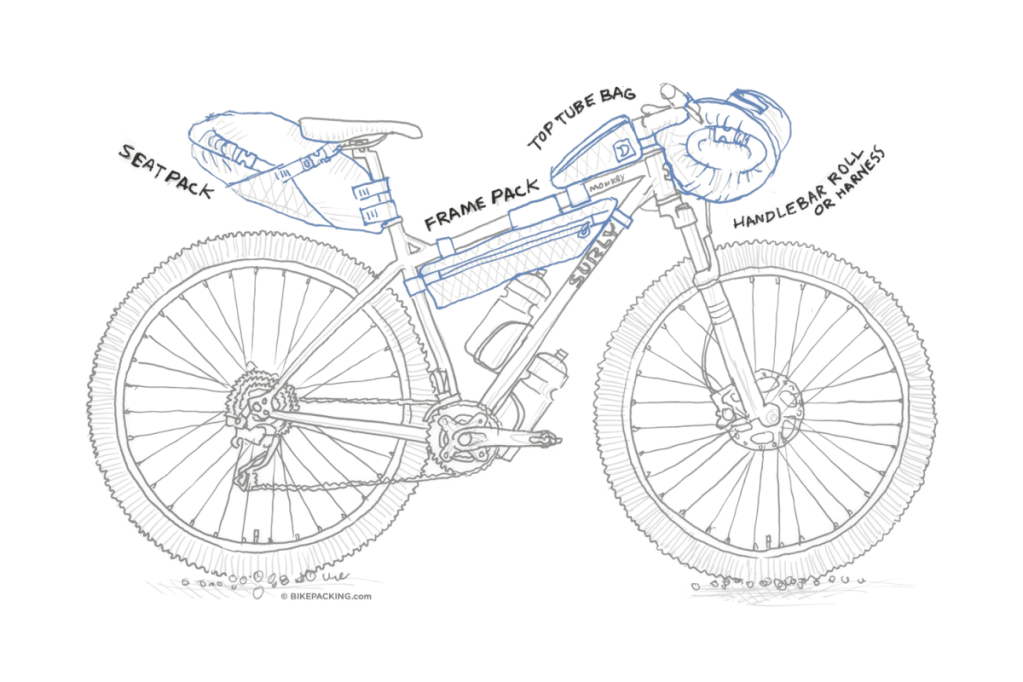
- I wish I had a top tube bag to fit small things like my sunscreen, pen & paper, phone, sunglasses, wallet, keys, etc. A bonus if there’s a phone holder on top that can be used for navigation.
- Speaking of pen & paper, I bought an A6 Canson pocket notebook and a waterproof pen at an art store towards the end of the trip - the best purchase of the trip.
- More sun protection like long sleeves, a hat/cap to wear underneath my helmet, gloves, and more sun cream
- A small bottle of shampoo (biodegradable) because just water and normal soap didn’t do the job
- Daily contact lenses (I ran out of contact solution, lost a lense and the wind from biking makes dirty lenses impossible to clean, especially without access to clean water)
- Meds for allergies against pollen and anti-mosquito spray for a more peaceful camping experience
- Passport (I got stopped at the border and only had an ID on me which isn’t enough when crossing country borders as a non-EU national.)
- Breathable long-sleeve PJs separate from my day clothes
- Battery pack with a larger capacity for my phone and paper map & compass to save phone battery
- Bigger water bottle for cycling (ones without the lid where you can squeeze the water out)
- Cycling shorts with pads so I don’t bruise my bottoms
- A bag to keep my shower essentials
- More planning in general, especially camp-site info and weather (WIND DIRECTION!)
- Windshield for the cooker
- Rice container to soak rice in the water while on the road
- Warmshowers / Couchsurfing profile (preferably with reviews) - big cities are expensive to stay in.
- A video recorder, maybe something like a GoPro.
- Proper bike repairing kit.
What I wish I had not packed
I used most of the things I brought except a few.
- I wish I hadn’t brought my camera and lenses. They were heavy, and I got paranoid that they would break from bumpy roads and didn’t feel comfortable leaving them around campsites so had to carry them everywhere with me. When on the move, there isn’t enough time to stop and take photos. A small camera to record movies might have been nice though.
- Spare tires. I don’t know why I brought them. Spare tubes are enough.
Planning where to camp #
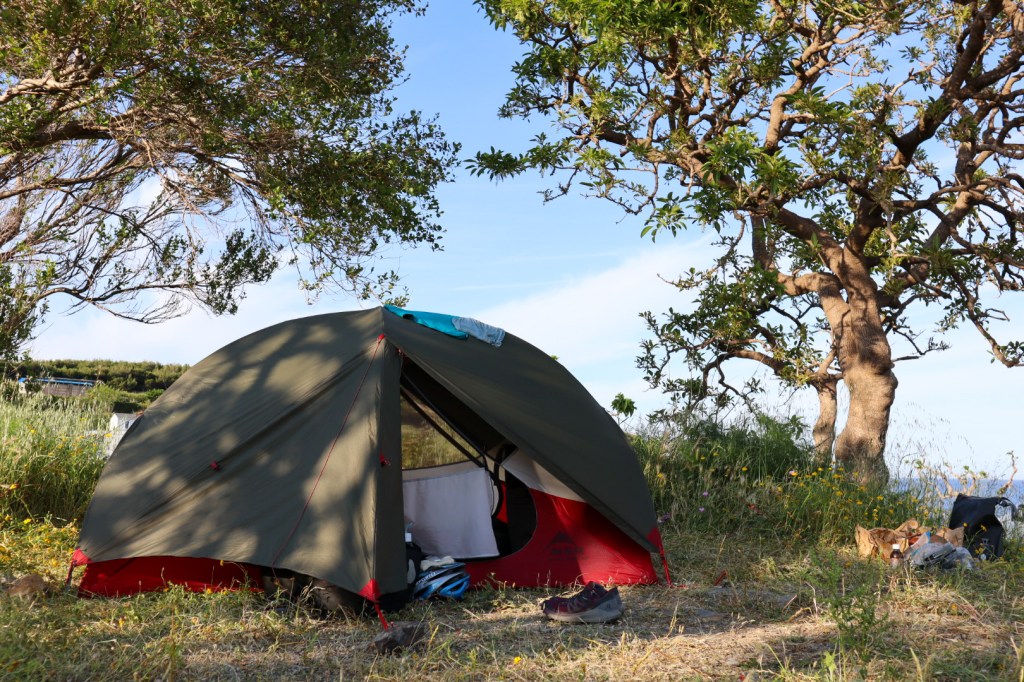
Wild camping, as in camping on land that is not a dedicated camp-site, is a complicated topic. In France, it’s mostly illegal but tolerated as long as you’re respectful, especially if it’s a one-nighter (or what they call ‘bivouac’) explained in this blog post. Similar in Spain too.
For this trip, we really didn’t plan much ahead and kind of just ‘went with the flow’. I thought I’d be good at this kind of spontaneity but this really made me uncomfortable and anxious. The first few nights through the valleys in the Pyrenees were nice and we managed to find spots. But as time went by, I felt more anxious about not knowing where I’ll sleep that night and not having a goal to cycle toward that day.
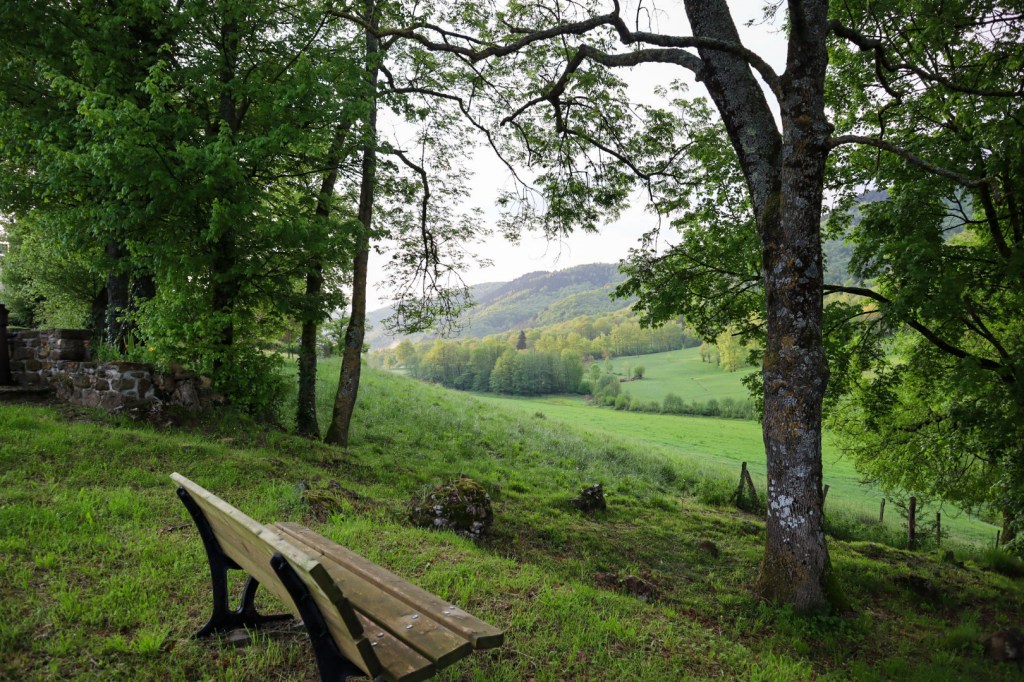
We bivouacked a few times but ended up staying at a few campsites. There are many big campsites, especially along the coast but the issue was that they were all very commercial and expensive with big swimming pools and other facilities we really didn’t need. We just wanted a quiet flat place we could pitch our tent, get some sleep and leave the first thing in the morning. A minimal campsite that offered these things was a bit more challenging to find.
We did really love the campsite in Cerbere which was along the coast with a quiet beach where we could bathe naked and cost only 5 euros/person/night with warm showers. We also decided last-minute in a campsite called Camping Rodas (10EUR/per) in Roses which had super clean showers and toilets. Very quiet too.
Here are the lessons learned.
- Plan a tiny bit ahead. Have a goal/place to sleep planned for the day before cycling that day.
- Campsites are harder to find in a bigger city. (e.g. We wanted to go to Barcelona but we couldn’t find affordable last-minute accommodation that was bike-friendly. Reaching out to people on Couchsurfing, Couchers, or Warm Showers in advance would’ve been a cool experience.
Food #
We mostly cooked and supplied water wherever we could at restaurants, gas stations, and shops. In Japan, I would often leave all my panniers and bike unlocked outside of the shops but in Europe, we locked our bikes and carried our panniers in shops with us.
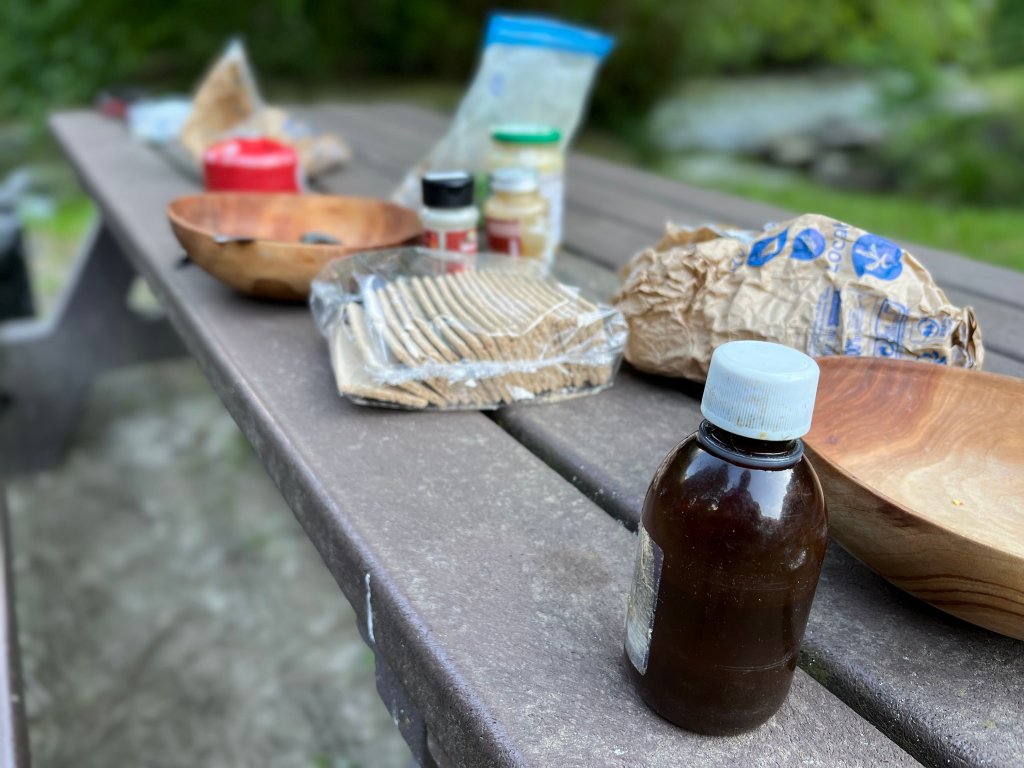
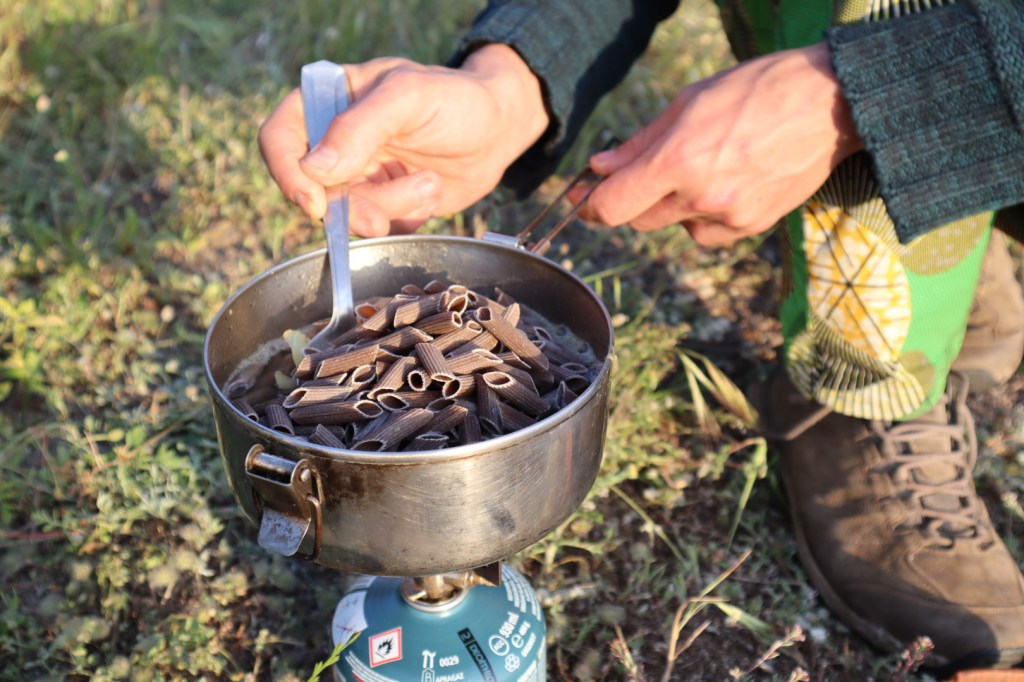
Since M didn’t eat gluten, we mostly cooked rice, orange lentils with onions, and mushrooms. We sometimes bought some rice noodles and buckwheat pasta. I really liked buckwheat crackers & peanut butter combo. I’m still on lookouts for tasty easy outdoor meals.
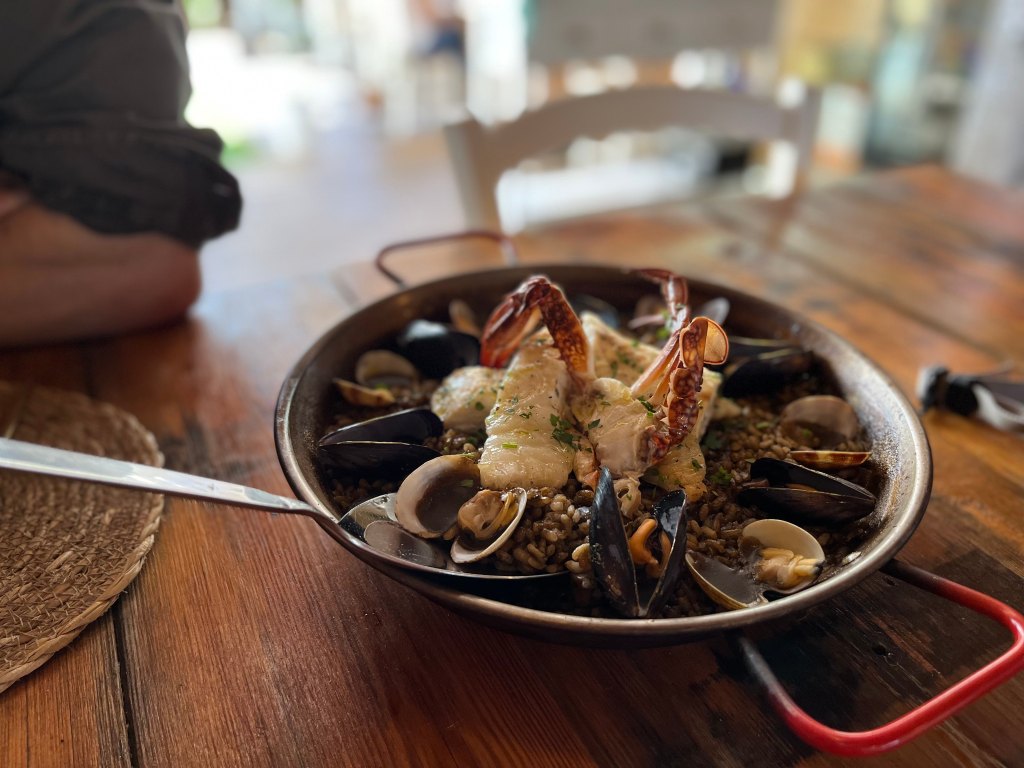
Vineyards, castles, cute coastal towns and Catalonia #
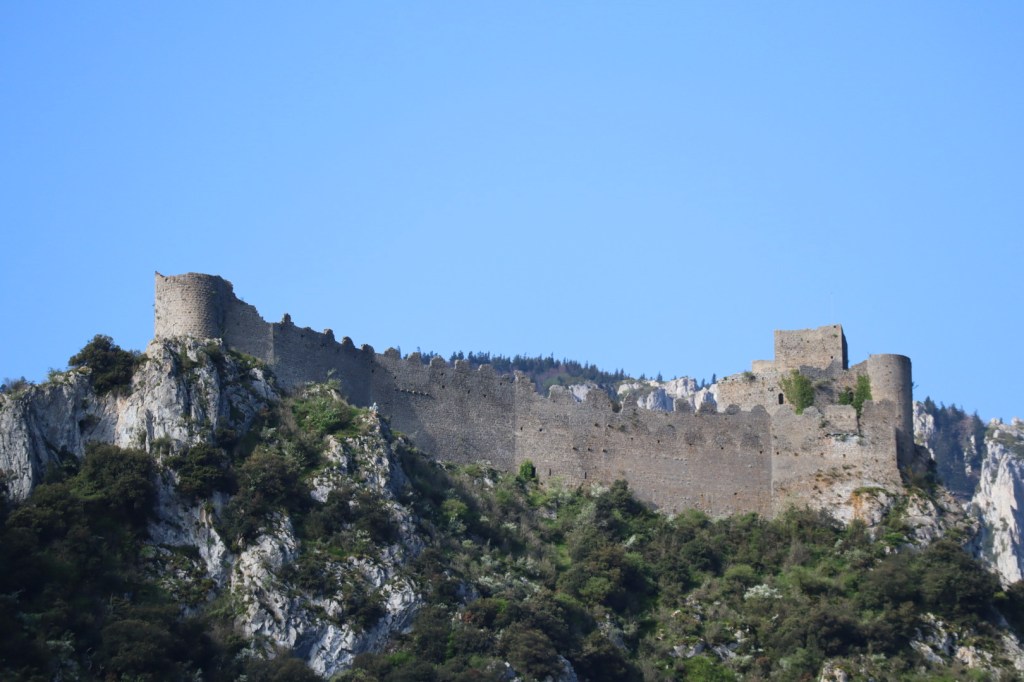
One thing I wish I had done more was research on the route. The first half of the route was full of vineyards especially in Languedoc-Roussillon (South-east Occitania) until we crossed the border into Spain and it was olive trees that replaced the vineyards. There were many castles along the way which I only saw from afar. There’s a trail that runs through these castles called the Cather Trail (250km) so maybe I’ll walk this instead one day.
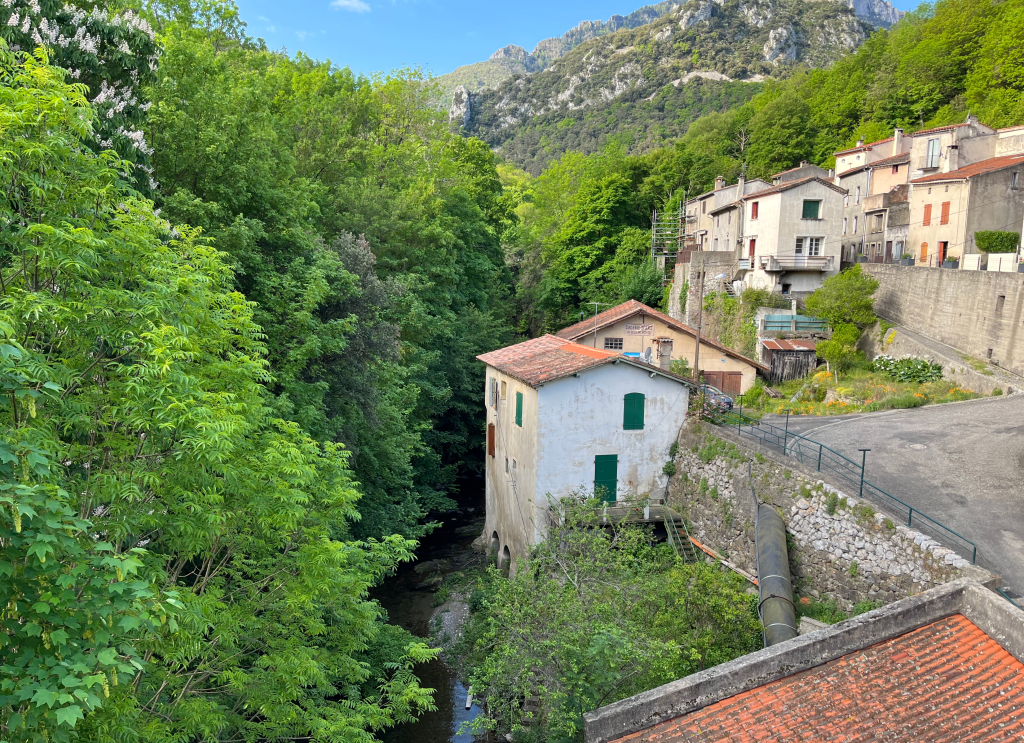
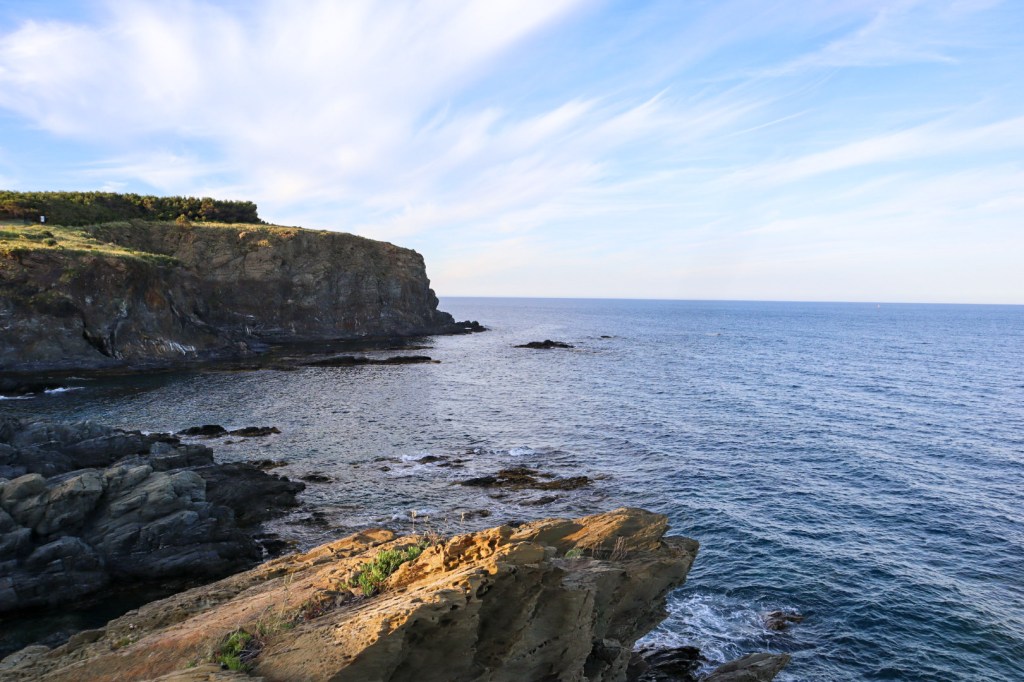
Cadaques was a bit of a detour and the only way there is cycling over a big hill but definitely worth a visit. It’s a cute little fishermen’s town where the surrealist artist Salvador Dalí used to live. The coastal route from Cerbere to Cadaques and to Roses was also one of the hardest and most beautiful parts of the route.
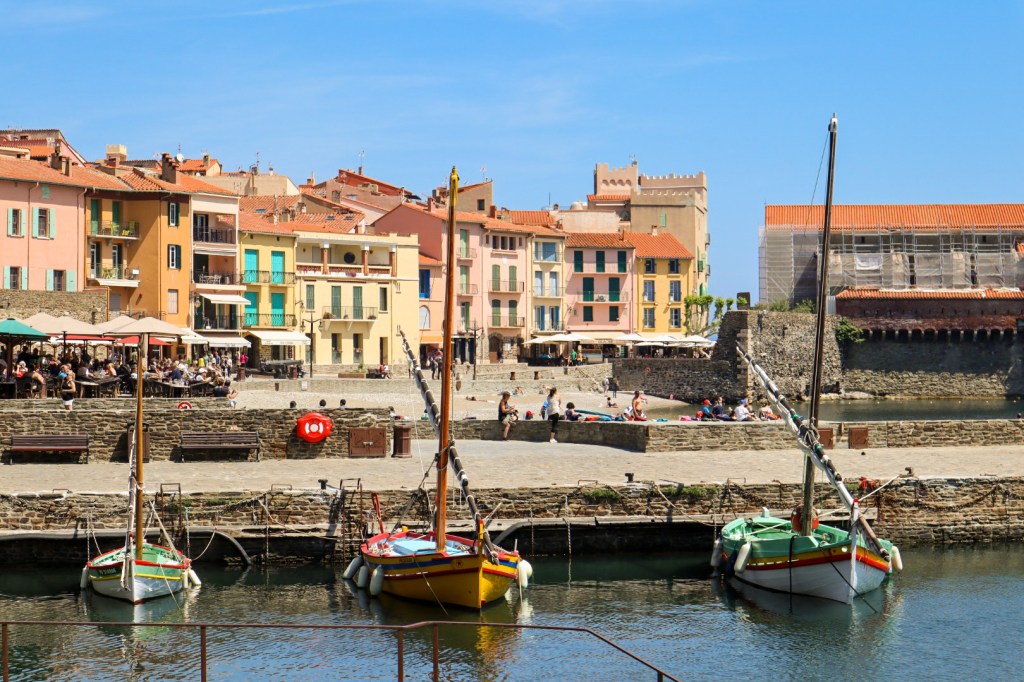
I also wish I had done a bit more history homework too, especially on the region of Catalonia.
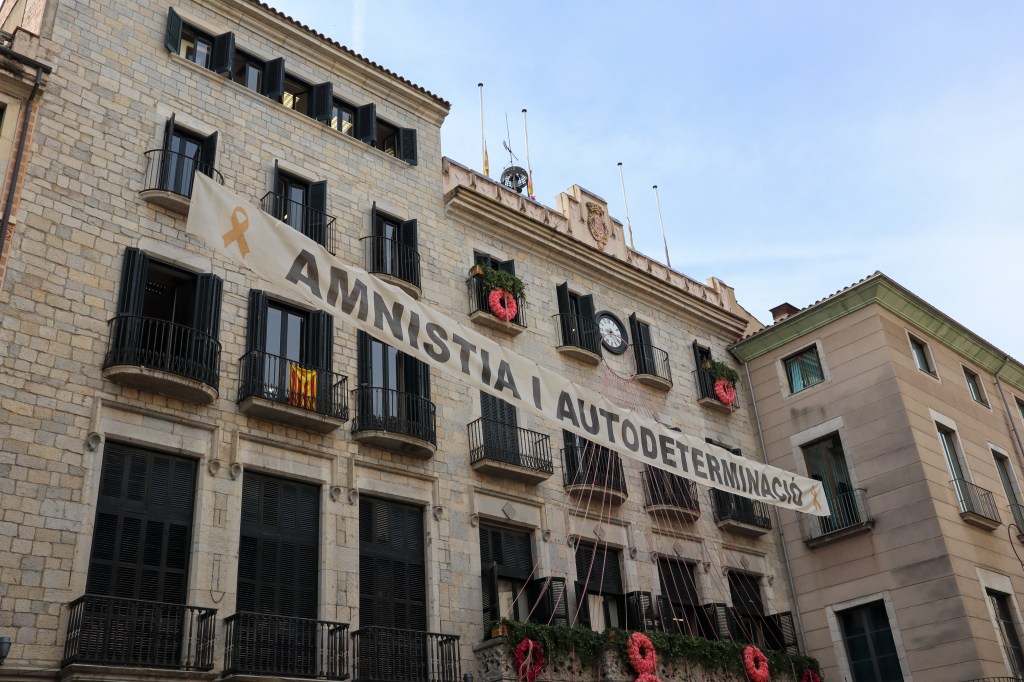
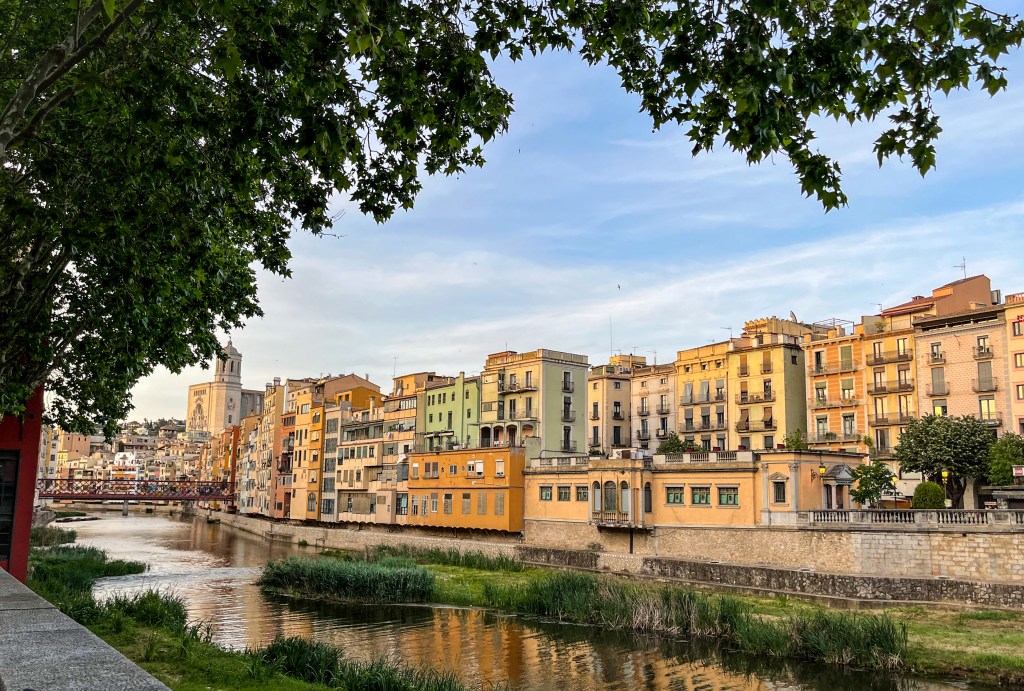
All in all, I got to see a lot of beautiful countryside of South-East France as well as the region of Costa Brava. I also learned a lot about myself and I’ve come to re-appreciate the pace at which bike-packing trips allow you to travel. This has been an inspiring trip that made me want to do more bike-packing trips this summer.