A Weekend Trip to the Izu Peninsula
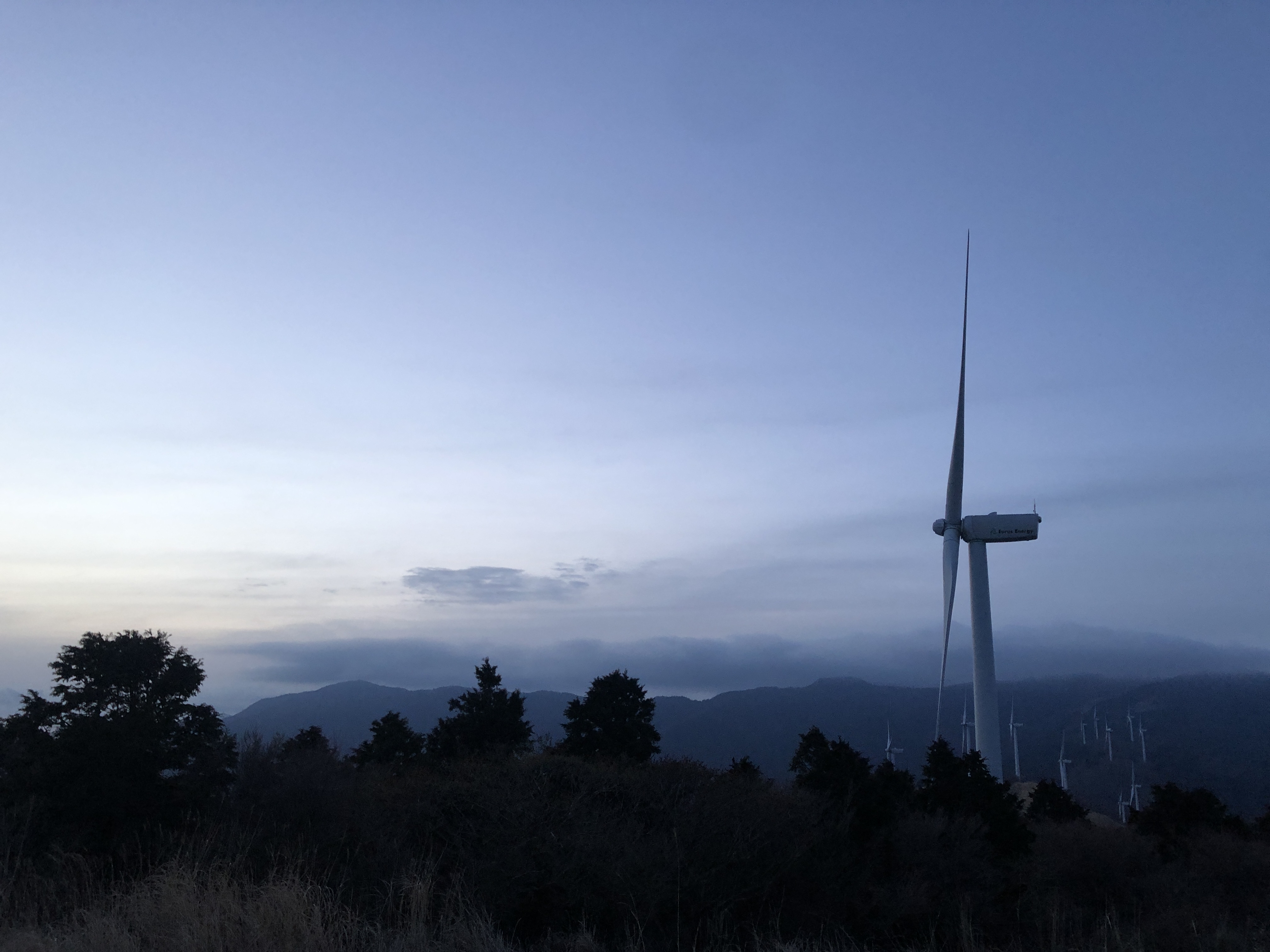
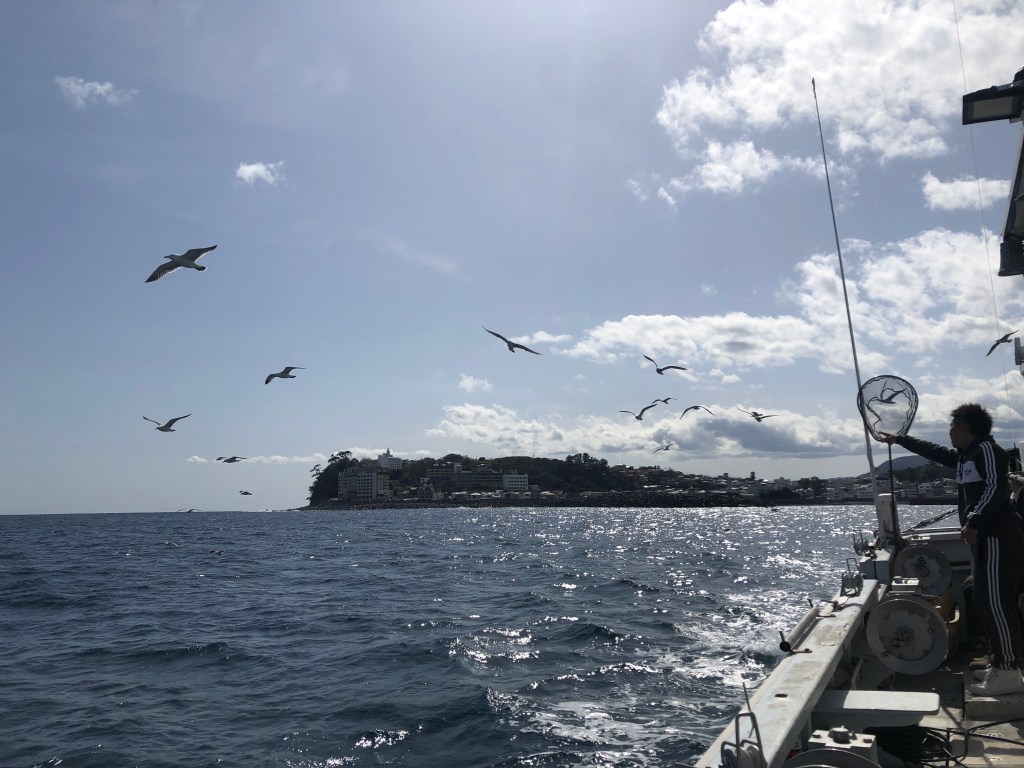
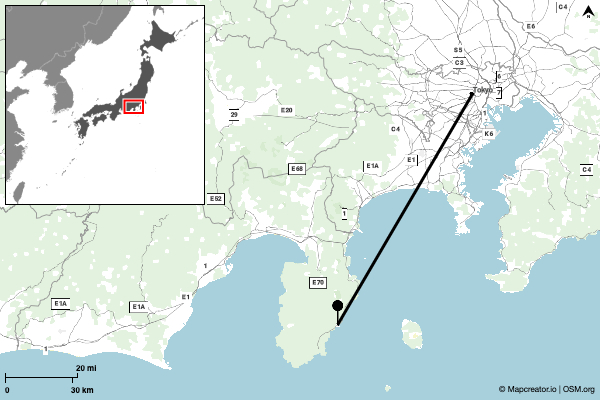
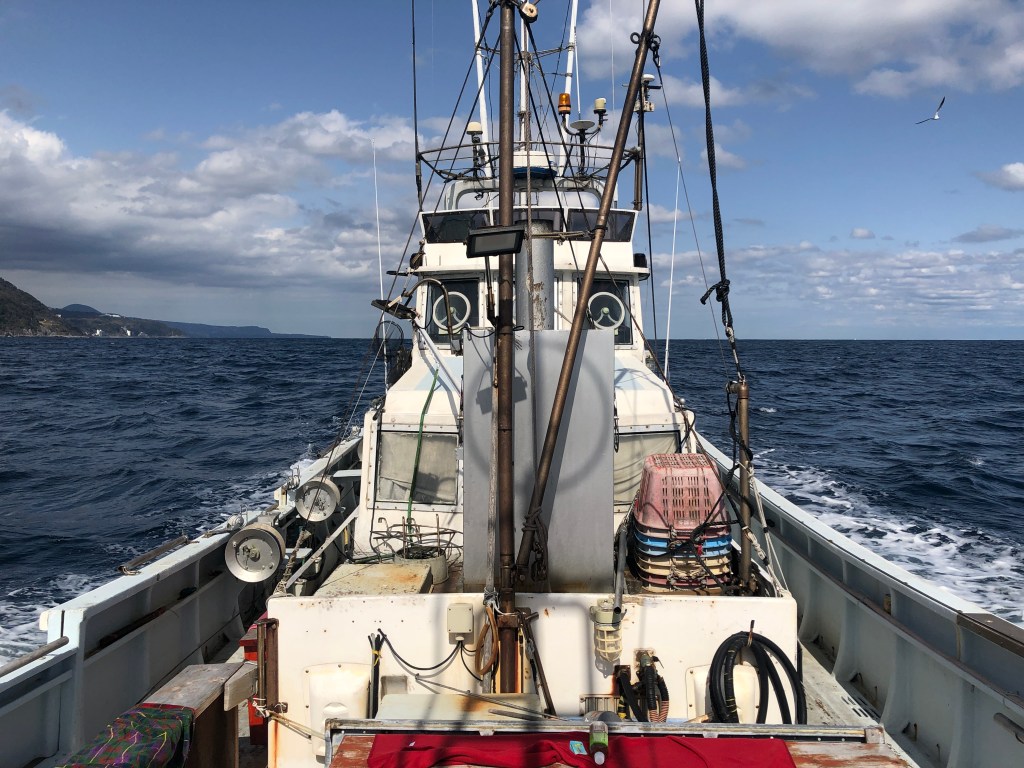
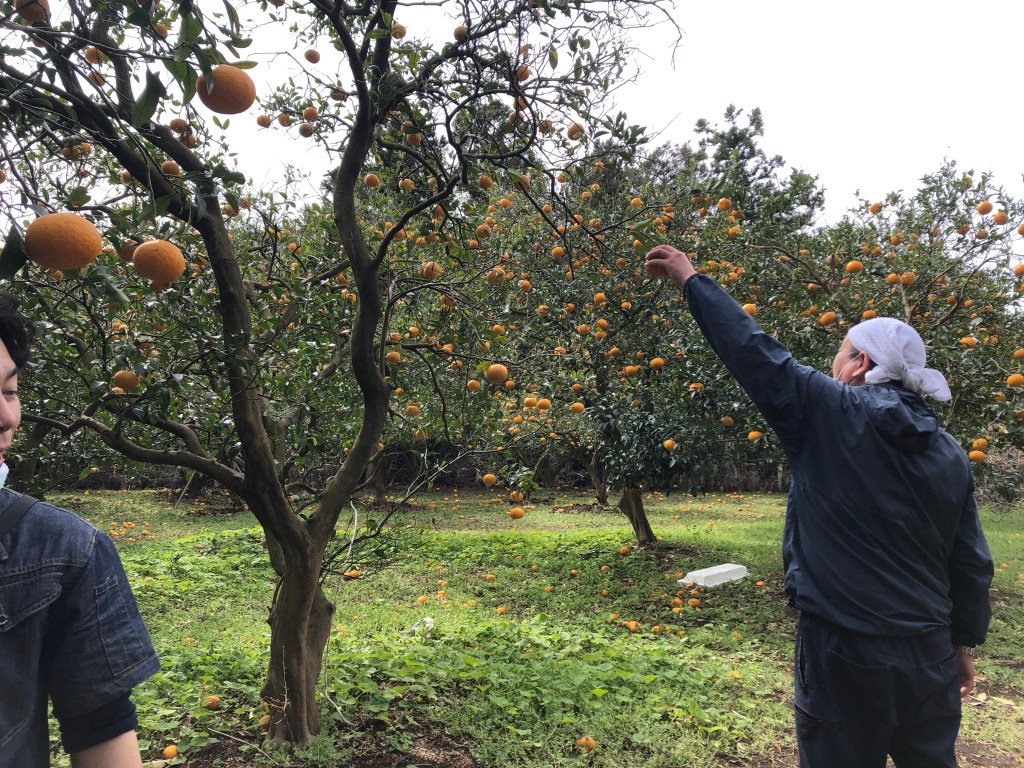
In late March 2022, I went on a trip to Izu-Inatori – a small coastal town of 5000 people in the Izu peninsula only a 3-hour train ride from central Tokyo. I spent the weekend on fishing boats sailing next to seagulls, cutting down bamboo trees, picking oranges and sitting around a fire. I also went on small hikes just so I can justify writing about it in this blog (it’s called Mountain diaries after all).
Having two homes. Both in the city and country. #
After the pandemic hit, many of my friends working in Tokyo and other big cities started working remotely.
“If I can work from anywhere, why not work somewhere by the sea?”
Some started renting out places outside of the city or move to remote locations completely. I decided to visit someone who did just that, in Izu-Inatori.
I met up with my acquaintance at a co-working space called the East Dock. This is where others my age were also working out of, exploring a way of life other than the city life they knew about and grew up in.
A few years ago, a group of university Architecture students visited this small town for a renovation project of an abandoned house to turn it into a community space for the locals and visitors. Some stayed on to continue their work in these renovation projects including the co-working space as well as the guest-house ( So-an) I stayed at.
In Japan, newly grads would usually move to the big cities because that’s where the jobs are. But since the pandemic and remote-work becoming the norm, this is no longer true. These renovation projects and communities run by people my age make it so much easier for someone like me to visit and not only that, to interact with the lifestyle of those actually living here.
I hardly knew my acquaintance but he introduced me to a lot of people and invited me to a lot of events, including those my age who were also visiting that same weekend. I was traveling alone (my brother cancelled on me last minute due to a COVID-scare) so that was really nice.
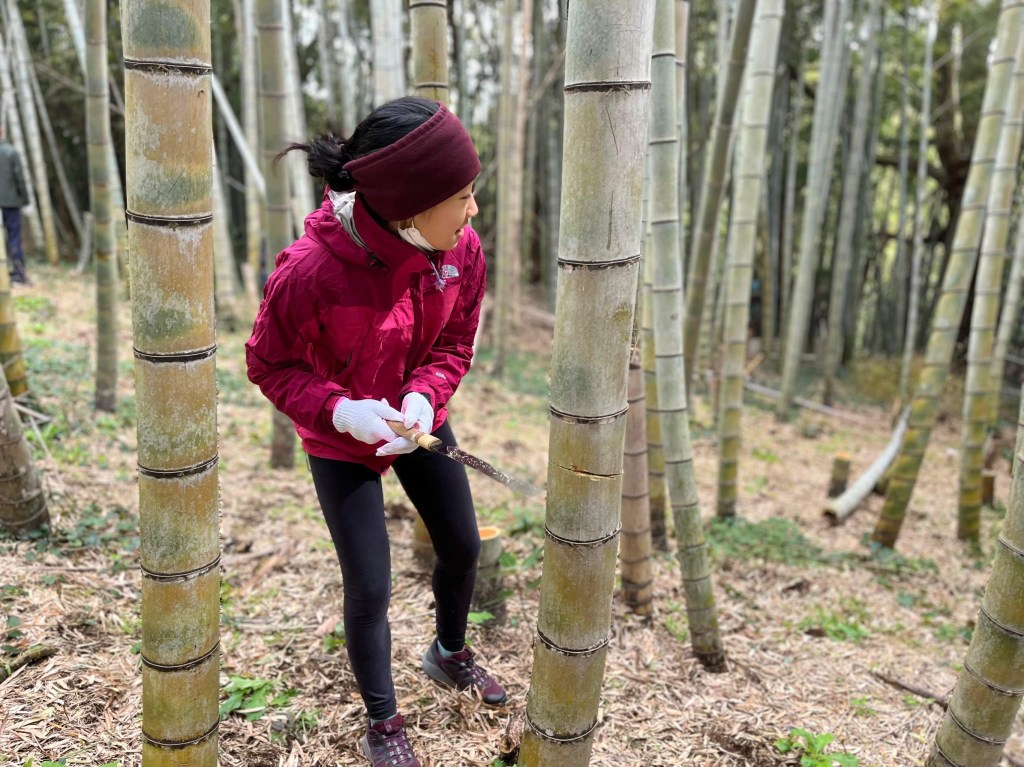
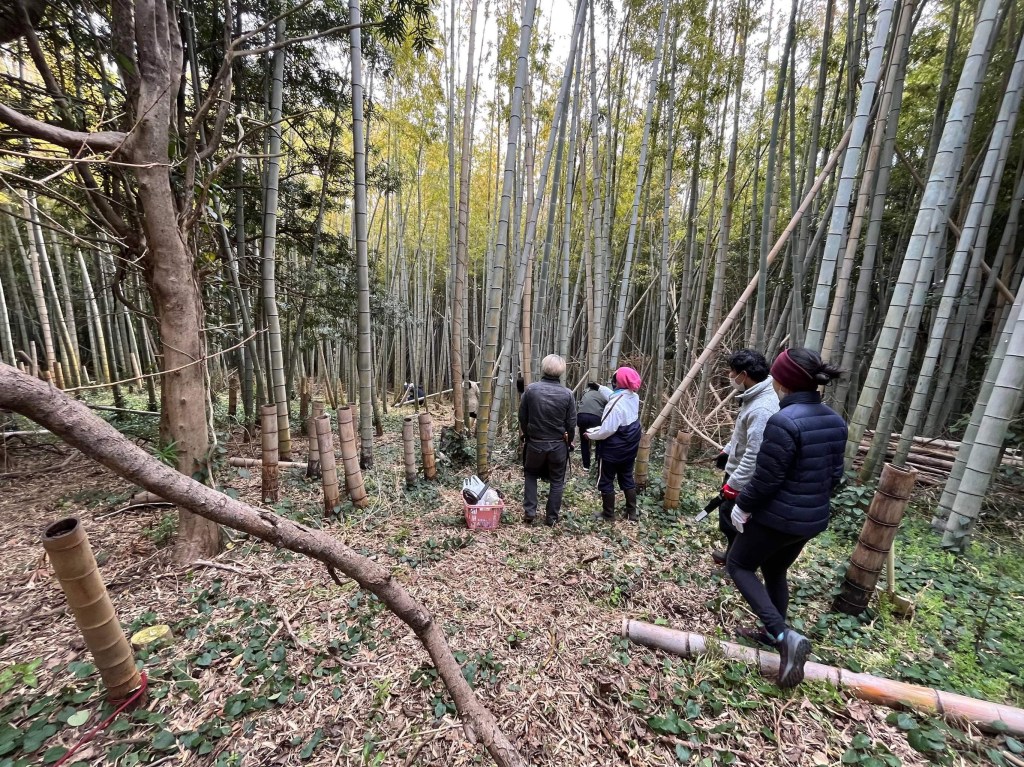
Cutting bamboo trees. Bamboos have been a household essential used for building tools, houses and other various daily commodities. After the war, access to cheaper imported bamboos and plastics replaced the bamboo industry and many bamboo bushes became unattended. When not maintained, overgrown bamboo bushes can monopolize the local ecosystem causing landslides and destructions to animal habitats.
The owner of the guest house was one of the Architecture students and the founding member of these different renovation projects. He told me his story, of how he ended up staying. He told me that after graduating, he stayed on through the urban-rural migration scheme, a program called 地域おこし協力隊 (Chiiki Okoshi Kyoryokutai) organized by the government. A few of my other friends from university has also quit their office jobs in Tokyo to become farmers and local entrepreneurs using similar programs as well.
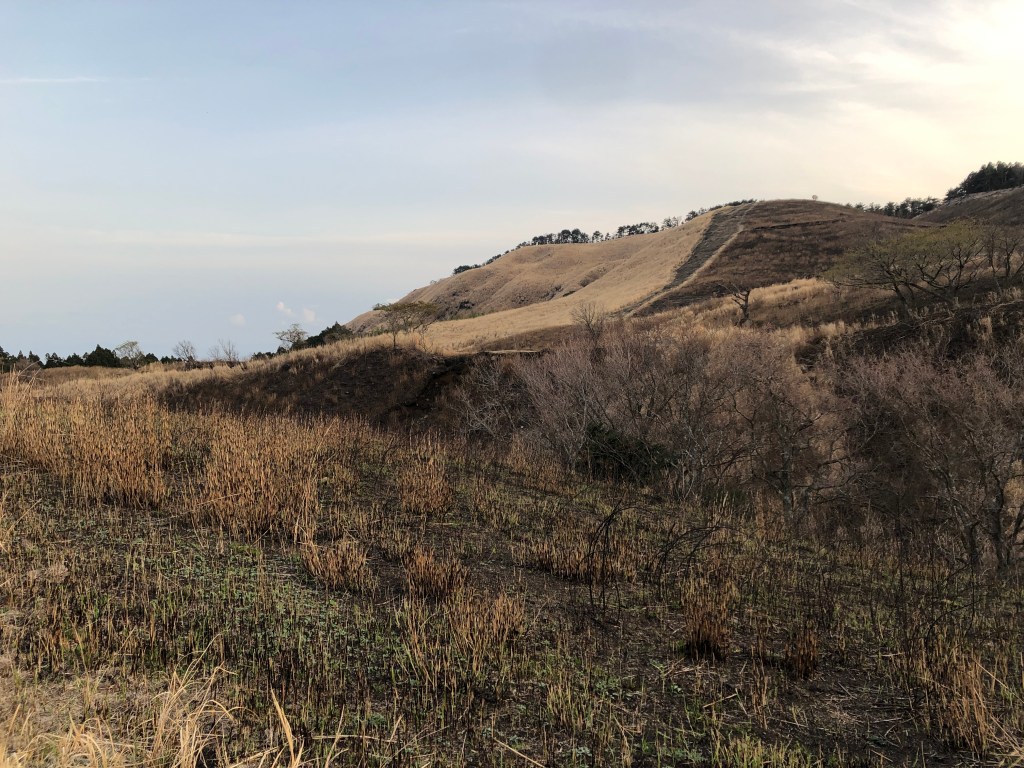
One thing that really stuck with me during the different interactions during my stay was how grateful and appreciative of their environment they all were. Their respect for the people, the traditions, the nature.
As someone who grew up in the city pondering on the idea of life in the country, this turned out to be a nice trip where I got to interact with the locals as well as younger people from the city who’ve made the urban-rural transition I’ve been pondering on.
It was also a good trip that reminded me how much I love exploring new places on foot especially on an early morning.